
Have you ever seen a bathtub with a door? It may seem new to you as it's different from the usual tubs we see. They are called walk-in tubs, which I will discuss in this article.
A walk-in tub has a waterproof-sealed door that allows you to get in the bath by walking inside. It is safe, especially for the elderly and handicapped, who can have difficulty climbing over a standard bathtub. Moreover, it also has therapeutic features.
If you prefer a safer bath experience, read ahead to learn more about their functionality and what makes them a good choice for your bath.
How Does a Walk-in Bathtub Function?
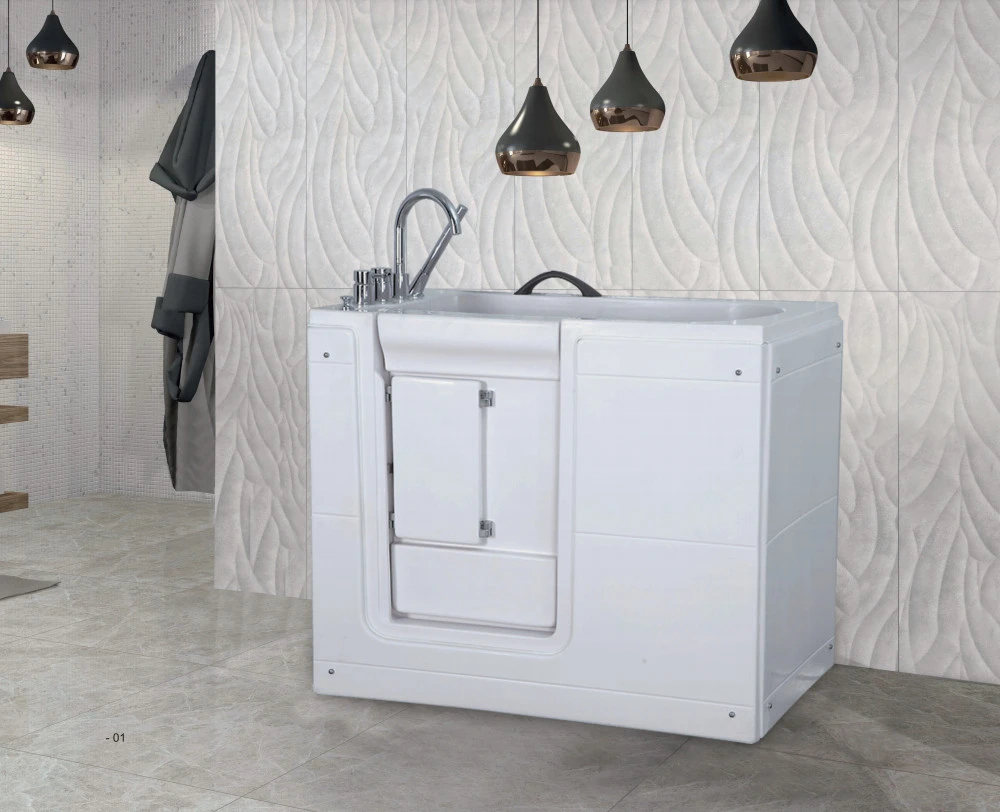
How do you bathe in a walk-in tub? A straightforward answer is entering the tub through the door, sitting, closing, and adjusting the temperature before bathing. It is similar to getting on one of those roller coaster rides, except for the twists and turns.
A safe and basic door design is mainly present in all walk-in tubs, whatever the type. The difference lies in the sitting position, height, and door type that they feature. It also determines how they function.
Before we go into that, let's review some of the common characteristics of the walk-in tubs.
Safety Features
● Non-slip Features: You may have experienced slipping (or almost) during your bath, which can be scary. Walk-in tubs are designed with built-in handrails, textured or grooved surfaces, steps, and curved seats to help you not lose your footing or assist yourself while bathing.
● Door: The door feature is a convenient take on how you will get in and out of the tubs. Traditional baths can sometimes be not mobility and height-friendly, especially if it has tall sides.
● Seating Position: Vertical seating is possible thanks to the higher integrated chairs. Aside from comfort, it is also easy to sit and stand, which may prevent off-balance situations.
Additional Features
● Water Depth: The water goes from 3 to 4 feet, depending on the maximum water capacity. This depth is ideal for the hydrotherapy that most tubs provide.
● Health Benefits: Most walk-in baths include built-in jets that shoot air and water toward the bather, massaging them. This hydrotherapy massage gives you an experience various health benefits, including alleviating muscle discomfort, arthritis, and stress.
Now that we've discussed the general features, we will explore the main types of walk-in tubs.
Types of Walk-in Bathtubs
● Inward and Outward Opening: They are also called In-swing or Outswing tubs. As the name implies, their main difference is how you could open the door. An outward opening door is more convenient for people who use wheelchairs and canes. In contrast, the inward opening door is suitable for bathrooms with smaller spaces.
● Front and Side Opening: The doors of walk-in tubs can either be at the side of the seat or its front. A side door would be better if you want to sit on the chair immediately. Front doors are ideal if you're going to have a space between the entrance and seat.
● Sliding Wall: A walk-in tub with an easier-to-operate door. It is more accessible to people with impairments and takes up less space than swinging doors.
● Sit-Up and Full Length: A sit-up tub has a more extended height and allows you to sit as if on a chair. The full-length tub is longer and similar to traditional ones, with a door and a shorter portable chair. Despite the difference in dimensions and seating positions, both have elevated seats.
● Soaking Tubs: These deep tubs fully immerse your body in the water. There are also no water or air jets in these tubs.
● Therapy Tubs: Therapy tubs can provide hydrotherapy, aromatherapy, or chromotherapy. It depends on whether you will add jets, aroma oils, or lights to your tub.
Each type of walk-in tub brings a different experience. Even the bathtub doors may be a significant factor in your everyday use. As for the features, you may add some customizations such as headrests and heater.
What's It Like in a Walk-in Bathtub?
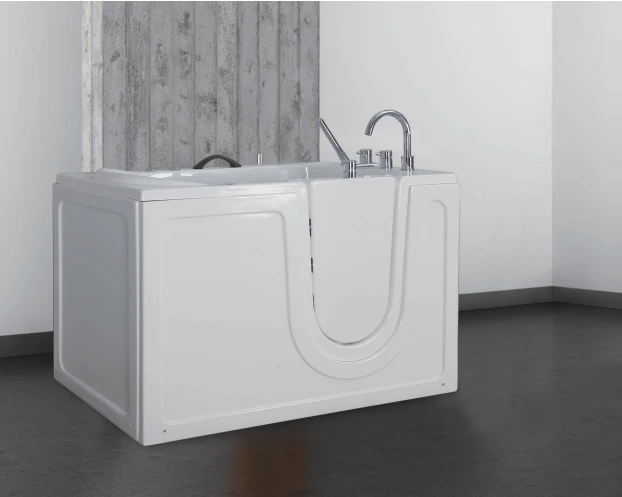
Since operating the walk-in tub is different from the traditional baths, you may have wondered how to use one and have some questions in mind.
Here are some of the common concerns you may have when thinking of a walk-in tub:
How Long Do I Have to Wait for the Water to Fill In?
Before starting the water, you must get in the tub first, then close and seal the door. The door is waterproof-sealed. It would be best if you waited for the water to fill in, and you cannot go out unless you want the water pouring out of your tub. So make up your mind before setting foot in the tub.
The waiting time may take 6 to 15 minutes, depending on the water pressure and tub size. It may be long for you, but note that a walk-in tub is larger than an average bathtub. It requires 40 to 80 gallons of water to fill, which is about twice as much as a regular tub.
Two-person walk-in tubs will require 100 to 120 gallons, so you must sit longer. It will be a bummer if you want to take a bath immediately.
How Do I Drain the Water?
The draining process is just the same as other tubs. Walk-in tubs have a drain at the feet area, and you must wait for it to empty. Although draining time can be faster than filling, which could take around 2 to 10 minutes.
Similarly, draining time depends on the pipe width and additional speed drain installed. You will probably get uncomfortable sitting on the tub exposed while waiting for it to empty!
A walk-in tub's draining and filling time may be challenging. However, you can have additional modifications to ease this. It's all a matter of preference to the bather.
Is It Worth Buying?
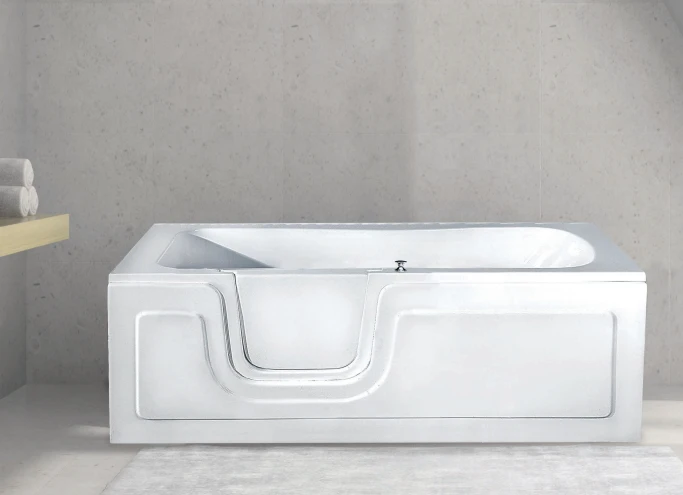
Before you make your final decision, there are still some aspects that we need to explore. You shall know there are downsides regardless of the safety and comfort a tub can provide,
For this, I will show you a list of the pros and cons of a walk-in tub.
Pros
● Safety is the main feature of walk-in tubs, making them different from other bath designs.
● The bathtub is made accessible to people who have limited mobility.
● Most walk-in tubs are deep, allowing you to soak your entire body.
● You could get many physical and mental health benefits, especially when installing jets and lights. You can do hydrotherapy whenever you like at your home.
● The safety and hydrotherapy reduce your medical expenses. How great is it to see your doctor less?
● Aside from being an investment, it is also a great accessibility feature that adds value to your home.
Cons
● The long draining and filling time can be a waste of time. Additionally, you may get chilly while waiting for it to drain, especially if your seat has no heating feature.
● If you are claustrophobic, you might automatically reconsider other tubs that don't have shorter walls.
● Leaks can occur when a walk-in tub is not correctly installed. If your bathroom floods, you may be frustrated with the wasted water and a lesser quality experience.
● The price of a walk-in tub might be a deal-breaker for you. According to Home Guide, a standard tub without additional features costs $1,500 to $5,000. Hydrotherapy and luxury tubs can range from $2,300 to $20,000.
● Expect to prepare your expenses for a walk-in tub. Keep in mind the installation costs aside from the price of the fixture itself. Average installation costs are between $700 and $3,000 and can go up to $5,000.
● Installation of a walk-in tub requires a professional. So sadly, you cannot perform a do-it-yourself to lessen the expenses.
Here is a quick overview to show you how professionals carefully install a walk-in tub:
Preview ng video
Panoorin ang video sa YouTubeThe Verdict
Every kind of tub satisfies a specific comfort and need, and this is especially true of the walk-in tub, designed for bathers' safety and comfort. It is most beneficial to people with mobility problems who can have trouble bathing themselves.
It takes more water to fill because it is more profound than most tubs we see. The same is true for the time required to fill and drain, which may be bothersome. It is also expensive, but you must decide whether the benefits outweigh the costs.
Don't you think a bath in a walk-in tub would be a great experience?